Washington DC on a Budget: What Actually Saves Money
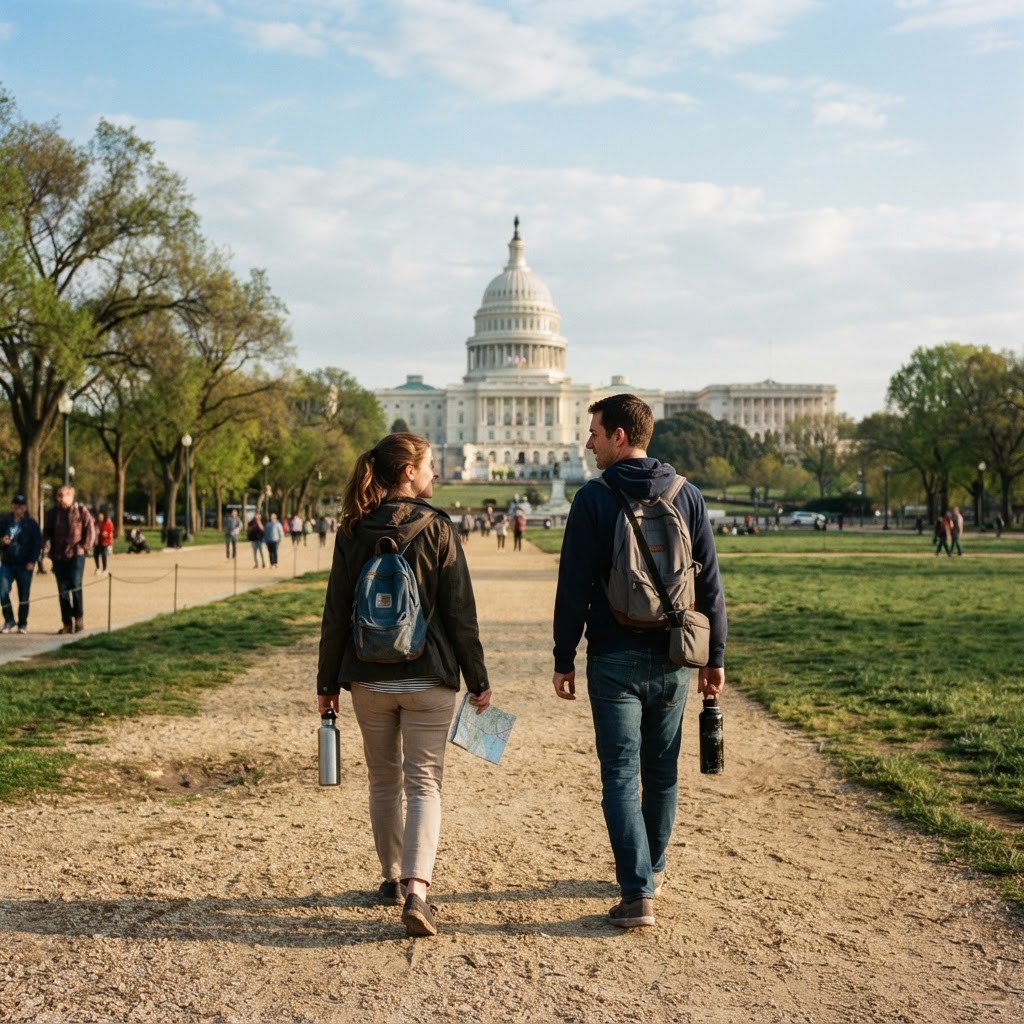
DC is not a cheap hotel city, but it may be America's best cheap sightseeing city. The museums, monuments, Capitol grounds, National Gallery, and Library of Congress can fill days for almost nothing. The budget gets blown elsewhere — the wrong hotel, a rental car, convenience food, and a route that sends you across town six times.
The local move is not to make every hour cheap. Make the big structure cheap: stay on Metro, cluster each day geographically, use the world-class free institutions, and spend once on something you will actually remember.
The Good News: The Famous Stuff Is Mostly Free
DC is unusually kind to a sightseeing budget. The Smithsonian charges no admission at its Washington museums, the National Gallery of Art is always free, and the National Mall and its memorials have no entrance fee. You can stand under the Lincoln Memorial, see the Hope Diamond, walk through the National Gallery's East and West Buildings, and spend an afternoon at American History without buying an attraction ticket.
That changes the budget strategy completely: do not hunt for a cheap version of every attraction. Build the trip around the excellent free institutions, then pay for one experience that genuinely adds something — a night tour, a ticketed museum you specifically care about, or one good dinner. The Free Things to Do guide handles the full attraction list; this page is about keeping the rest of the trip from quietly eating the savings.
Your Hotel Is the Budget — Everything Else Is Cleanup
Lodging is the line item that decides whether this is an affordable trip. DC's business-travel rhythm can make downtown rooms cheaper on Friday and Saturday than on a convention-heavy Tuesday, so check a weekend and the dates immediately beside it before assuming the city is out of reach. Compare close-in Arlington and Alexandria too, but only properties within a short walk of Metro. A suburban room that requires daily rideshares or parking is not the bargain the headline rate suggests.
Compare the final total, not the first number on the booking screen. The District's current hotel and short-term lodging tax is 15.95% through March 30, 2027, before any hotel-specific destination or parking fee. Our Where to Stay in DC guide explains the neighborhood trade-offs; the short version is to pay for Metro access, not for a famous address.
Metro Math: Buy the Pass Only If Your Itinerary Earns It
The cheapest transportation plan for most visitors is walking plus Metro, not a rental car. As of August 2026, WMATA's 1-Day Unlimited Pass is $13.50 and covers Metrorail and Metrobus. A base rail or local-bus fare is $2.25, so six base-fare rides reach the pass price — but a well-routed Mall day may use only two. Map the day first, then compare pay-as-you-go with the current pass price instead of buying a pass automatically.
Metro now accepts a contactless credit or debit card at gates and fareboxes, so a visitor who is not buying a pass does not need to create an account or buy a plastic card. Use the same payment method when entering and exiting rail and when transferring. Our Getting Around DC guide covers the current system; the money-saving rule is simpler: group stops by neighborhood and stop crossing the city for every meal.
A Three-Day Sightseeing Plan With Zero Admission Charges
Day one: start at the Lincoln Memorial, walk the Reflecting Pool and World War II Memorial, then choose one Smithsonian instead of speed-running four. Day two: reserve the Capitol and Library of Congress, walk Capitol Hill, and finish at the free U.S. Botanic Garden. Day three: do the National Gallery, Sculpture Garden, and the National Portrait Gallery/Smithsonian American Art Museum building in Penn Quarter. That is a serious first trip, not a second-rate budget substitute.
The trick is geographic discipline. The Mall is roughly two miles end to end before museum wandering, so schedule west-Mall memorials together, Capitol Hill together, and Penn Quarter together. Use the Itinerary Builder to cluster your priorities instead of burning money and time bouncing between them.
Free Does Not Mean Spontaneous
Some no-cost stops still need planning. Smithsonian currently requires free passes for the African American History and Culture Museum, the Air and Space Museum in DC, and the National Zoo. The Library of Congress requires free timed-entry tickets for the Jefferson Building, releases advance tickets 30 days out, and posts same-day tickets online at 9 a.m. The Capitol Visitor Center strongly encourages advance tour reservations.
Reserve through the institution's official site. A listing that asks you to pay for a supposedly free museum or Capitol admission is usually selling a separate guided service, not a better entry ticket. That service may be useful, but know what you are buying. Put every timed entry on one calendar, leave room for security, and never stack two reservations on opposite ends of the Mall.
Food: Pay for Flavor, Not Convenience
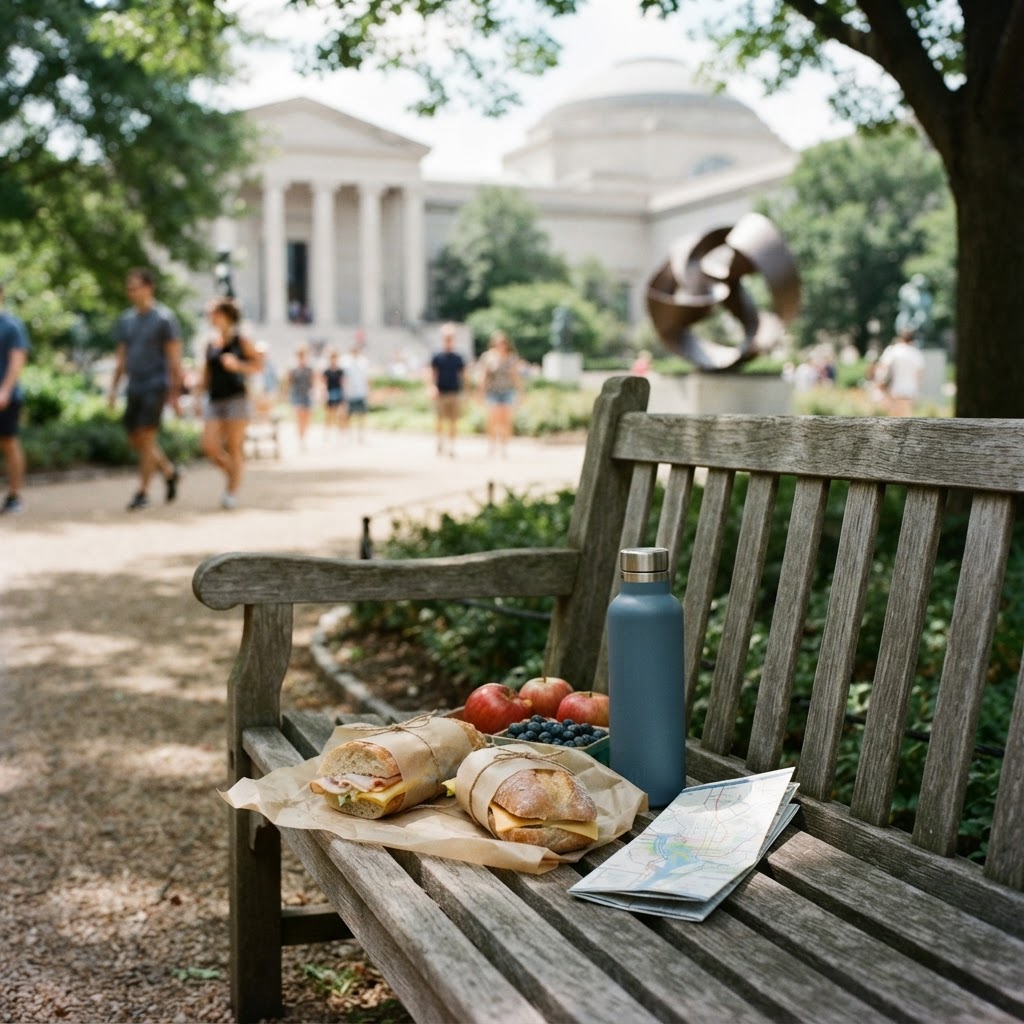
Museum cafeterias are convenient, but convenience is exactly what you are paying for. Eat breakfast near your hotel, carry a refillable bottle, pack a snack that survives a bag check, and schedule one proper neighborhood meal instead of buying three emergency meals on the Mall. Food trucks beside the museums are not automatically cheap; look at the posted total before joining the line.
The best budget meal is often a shared platter, counter-service lunch, or market stop in a neighborhood you already planned to visit. Our Best Restaurants guide includes the broader food scene, while Half-Smokes and Mumbo Sauce covers the local foods worth spending on. Save money by skipping forgettable convenience food, not by skipping DC's actual food culture.
Choose One Splurge That Changes the Trip
A paid experience should do something the free version cannot. A monument night tour solves distance and adds historical context after the museums close. The International Spy Museum offers a genuinely different interactive experience from the Smithsonians. A food tour can replace both a meal and an afternoon of route planning. Pick one based on your interests and leave the other days free.
Do not scatter the same money across small upgrades, scooter unlock fees, and short rideshares you barely remember. One deliberate splurge feels like part of the trip; six convenience charges feel like nothing until the card statement arrives.
The Quiet Budget Killers
Parking is the fastest way to turn a cheap sightseeing day into an expensive one: hotel parking, garage parking, meters, and the risk of a rush-hour tow all stack up. If you must drive, read the DC Parking Guide before you arrive. Otherwise, leave the car out of the plan. The same warning applies to rideshare surge pricing after events and to rental bikes or scooters, which charge by provider and can cost more than Metro on a longer or stop-and-start trip.
Other leaks are easier to prevent: hotel taxes and mandatory fees, buying water all day, duplicate transit cards, paid luggage storage because checkout and departure are far apart, and nonrefundable timed tickets packed too tightly to use. None is catastrophic alone. Together, they are why a trip built around free museums can still feel expensive.
Official Planning Links
Current details used for this guide: Smithsonian admission and pass rules, National Mall fees, National Gallery admission, Library of Congress tickets, Capitol tour reservations, WMATA passes, and the DC hotel-tax notice. Recheck the linked official page before your dates; fares, pass mechanics, construction, and timed-entry rules can change.
If You Pay for One Thing, Make It a Monument Night Tour
The museums close; the monuments do not. A night tour covers the long distances, adds the history, and turns one paid booking into a full evening rather than another small convenience charge.
Frequently Asked Questions
Keep Exploring
Free Things to Do in DC
The full museum, monument, and timed-pass guide.
Where to Stay in DC
Neighborhood and Metro trade-offs that determine the real trip cost.
Getting Around DC
Current Metro, bus, walking, bike, and scooter advice.
Best Restaurants in DC
Spend on food worth remembering, not Mall convenience.
Build Your DC Itinerary
Cluster attractions by area and stop wasting rides.