National Portrait Gallery: A Local's Guide
This is the Smithsonian people remember too late: free, no reservation, and open until 7 p.m. while most Mall museums shut down at 5:30. Use it as the second half of your museum day, not another stop you try to cram in before lunch.
Start with America's Presidents, pick one other historical gallery and one modern gallery, then sit in the Kogod Courtyard before deciding whether you have energy for the American Art Museum side. Two focused hours beats wandering the whole building until every portrait blurs together.
Use the Late Hours — That Is the Whole Strategic Advantage
The National Portrait Gallery is free, requires no timed pass, and stays open from 11:30 a.m. to 7 p.m. every day except December 25. That later schedule is the trick. Most Smithsonian museums around the National Mall close at 5:30, so the Portrait Gallery is where you can move the museum day after everybody else starts looking for dinner.
Do not show up at 10 a.m. out of Smithsonian habit; the doors will still be closed. Entry includes security screening, and the museum has no coat or bag storage. Large backpacks, suitcases, and large umbrellas are not allowed in the galleries, so leave travel luggage at the hotel and carry light.
Start With the Presidents, Then Decide What Kind of Visit You Want
Go straight to the second-floor west galleries for America's Presidents. The refreshed installation reopened in May 2026 with more than 60 presidential portraits, newly displayed works, added primary-source material, video, and accessibility features. The museum holds the only complete collection of presidential portraits outside the White House, and Gilbert Stuart's Lansdowne portrait of George Washington is still the anchor.
Give that gallery 45 minutes to an hour instead of trying to read every label. Look at how presidents chose to be presented, who controlled the image, and what later portraits do differently. The room is more interesting when you treat portraiture as political communication rather than a checklist of familiar faces.
The Rest of the Museum Is Not Just Famous People in Oil Paint
After the presidents, choose one historical path and one modern path. Out of Many on the first floor moves through portraits from 1600 to 1900, while The Struggle for Justice on the second focuses on people who fought for civil rights and political inclusion. On the third floor, 20th Century Americans widens the field to culture, science, entertainment, activism, and public life.
The museum collects photographs, sculpture, video, caricature, and other media alongside paintings. If you walk in expecting a hallway of formal headshots, the variety is the pleasant surprise. Two hours is enough for a strong first visit; three lets you slow down, cross into the Smithsonian American Art Museum galleries, and take a real courtyard break.
In 2026, Make Time for the Building's Own Story
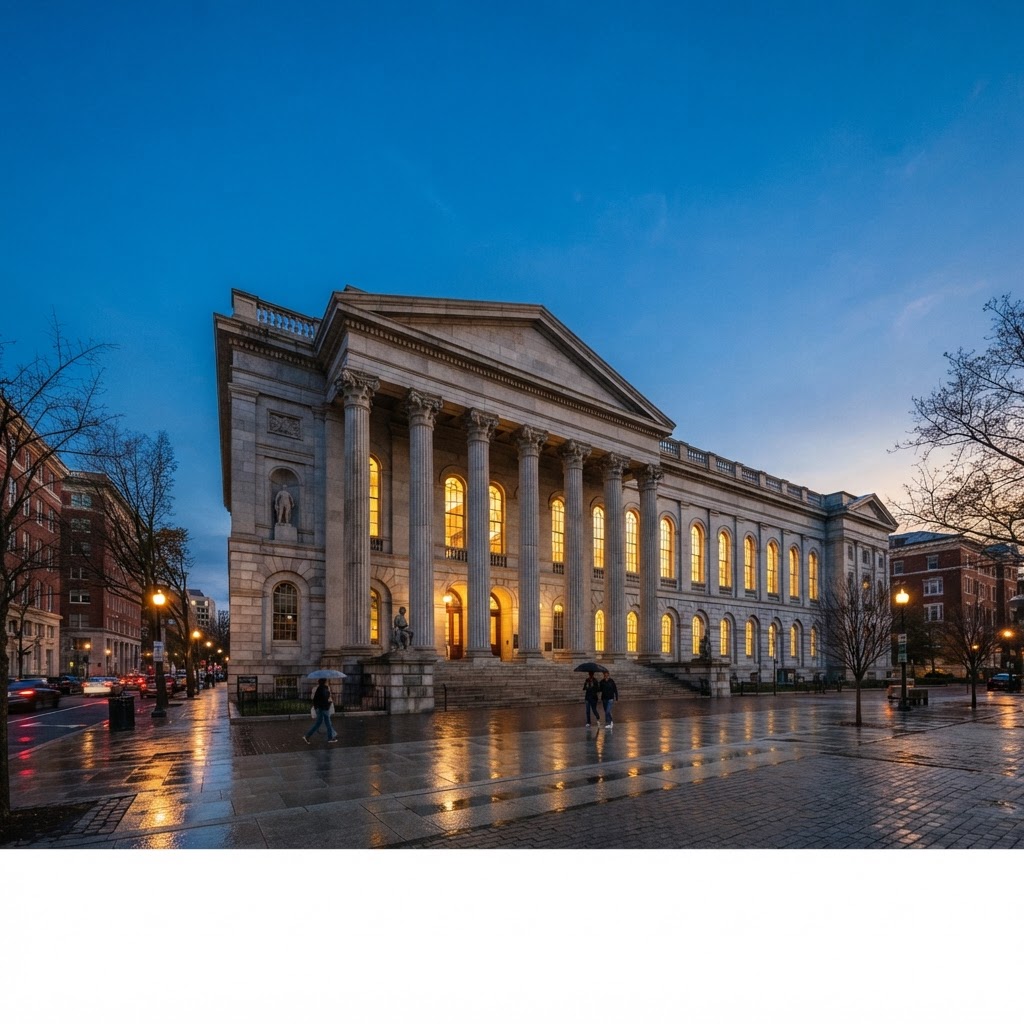
The Spirit of Invention: Patent Office and Patentees runs through June 6, 2027 and makes unusually good use of the museum's home. The Greek Revival building began as the United States Patent Office; during the Civil War it served as barracks, hospital, and morgue, and it hosted Abraham Lincoln's second inaugural ball in 1865. The exhibition connects that history to portraits of inventors and early patent culture.
Temporary shows rotate, so check the official current exhibitions list before going. As of summer 2026, Portrait of a Nation: 2025 Honorees and Star Power: photographs from Hollywood's Golden Age are longer-running options, while several competition and sports-entertainment exhibitions close in August. Build around what is actually on view, not a three-year-old travel post.
The Courtyard Is a Reset Button, Not Dead Space
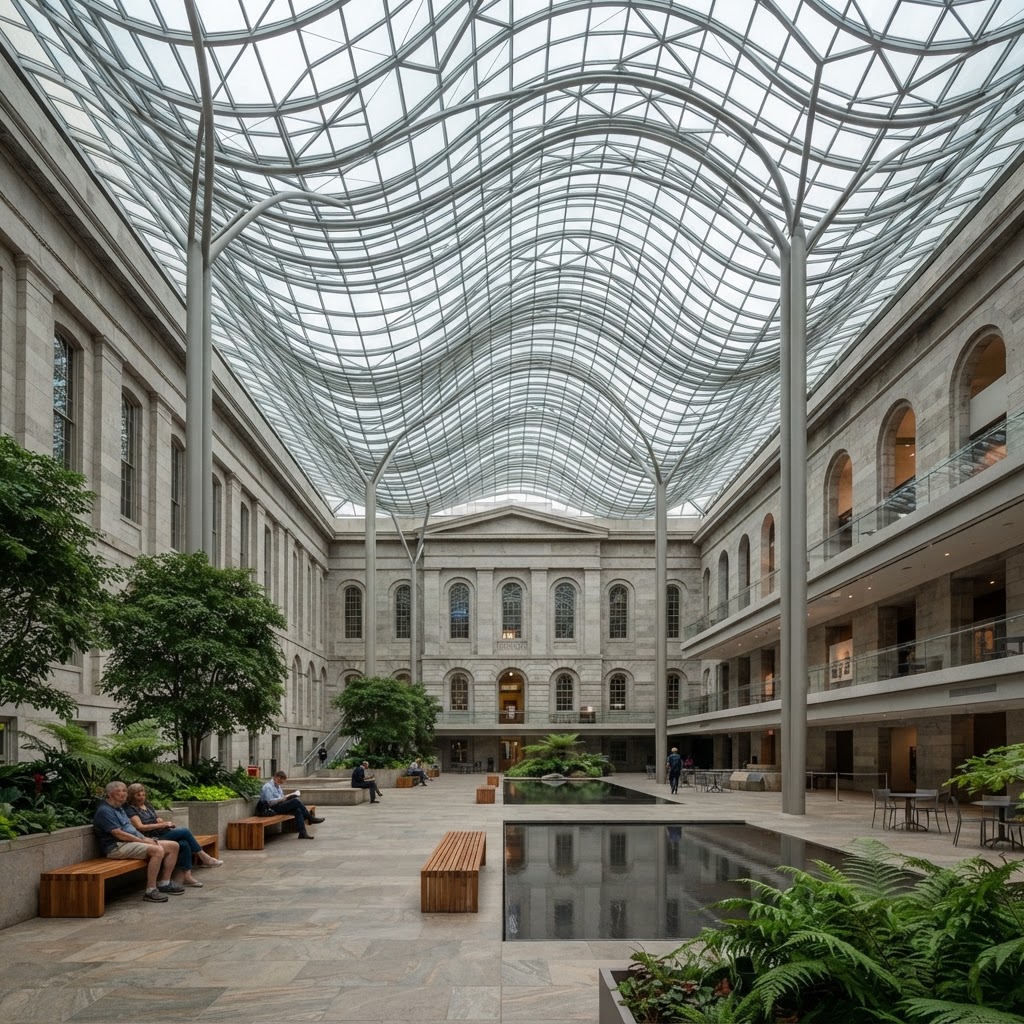
The Portrait Gallery and Smithsonian American Art Museum share the Old Patent Office Building and the Kogod Courtyard at its center. The glass-and-steel canopy floats over a 28,000-square-foot enclosed courtyard, which means you get daylight and breathing room without dealing with DC heat, rain, or winter wind.
The Courtyard Café serves sandwiches, salads, baked goods, and drinks from 11:30 a.m. to 5:30 p.m. according to the museum's current visitor information. It is convenient, not a destination meal. Use it for coffee or a quick lunch, then save dinner for Penn Quarter. If the galleries feel busy, the museum also notes that third-floor spaces tend to stay quieter.
Gallery Place Is the Stop; Driving Is the Mistake
Take the Red, Yellow, or Green Line to Gallery Place-Chinatown. The museum fills the block between 7th and 9th Streets and F and G Streets NW, and it is one block from either Gallery Place exit. The accessible entrance is at 8th and G Streets, with ramps on both sides of the steps; the F Street entrance is stairs only.
Downtown street parking fills early and nearby garages charge downtown rates, so Metro is the clean answer. Use our interactive Metro map to plan the trip. Afterward, walk to dinner using the Penn Quarter picks in our Best Restaurants guide, or use this as the late stop in a one-day DC itinerary after the Mall.
Frequently Asked Questions
Keep Exploring
Smithsonian Museums Guide
Compare the major free museums and build a day that does not turn into a forced march.
Best Restaurants in DC
Penn Quarter dinner options for after the museum's 7 p.m. close.
Interactive Metro Map
Plan a Red, Yellow, or Green Line trip to Gallery Place.
One-Day DC Itinerary
Use the Portrait Gallery's late hours after a day on the National Mall.